Research
Depth, Thinking & Innovation
Final Year Research Project
Neural Network-Based System for Early Detection & Intervention of Dysgraphia in Children
Bridging the gap in early detection and intervention for writing disabilities
The Gap
Existing models focus on alphabetic languages and Western contexts, leaving a significant gap in numeric dysgraphia and regional language adaptation for Sri Lankan children.
CNN Analysis
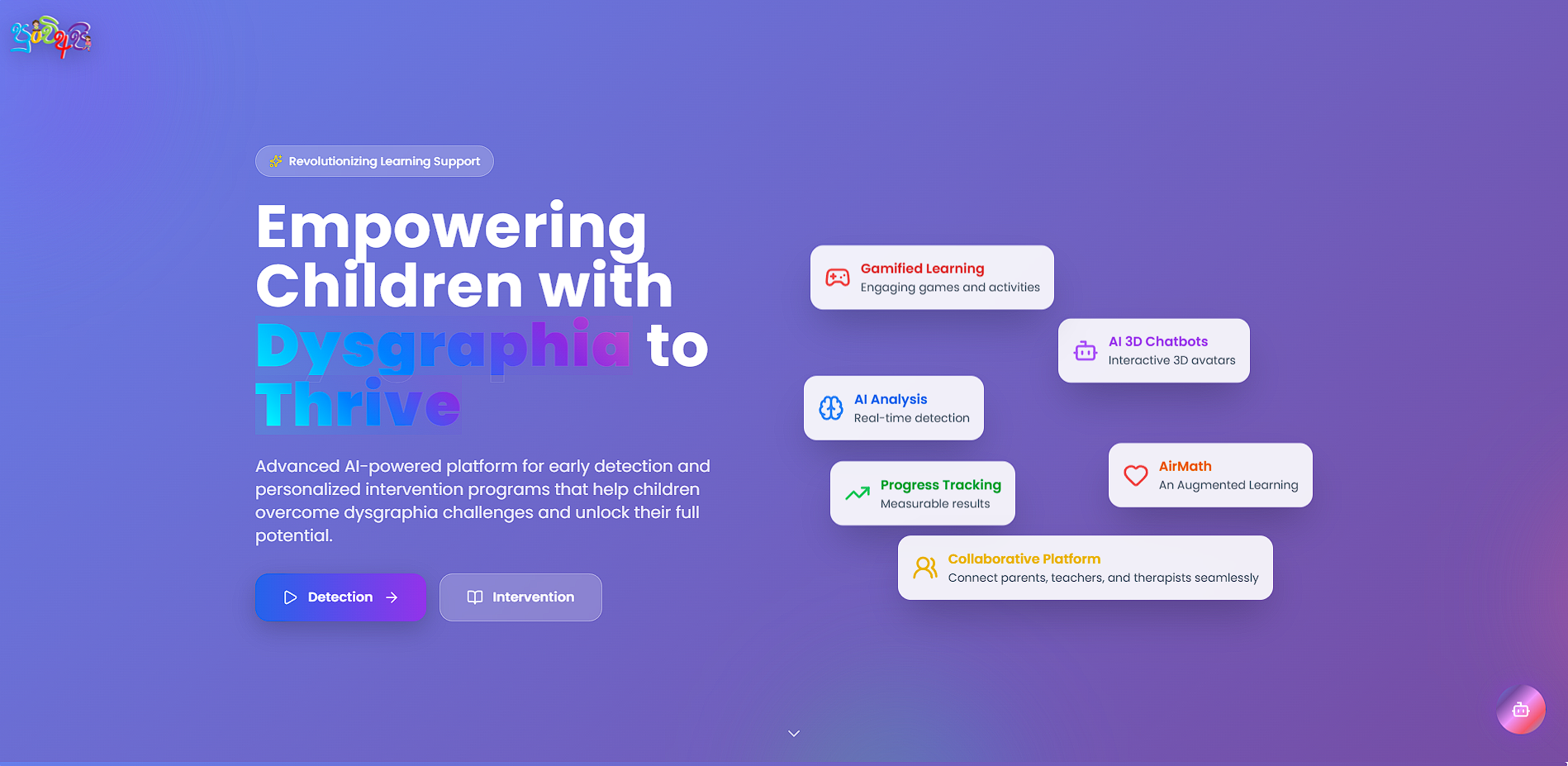
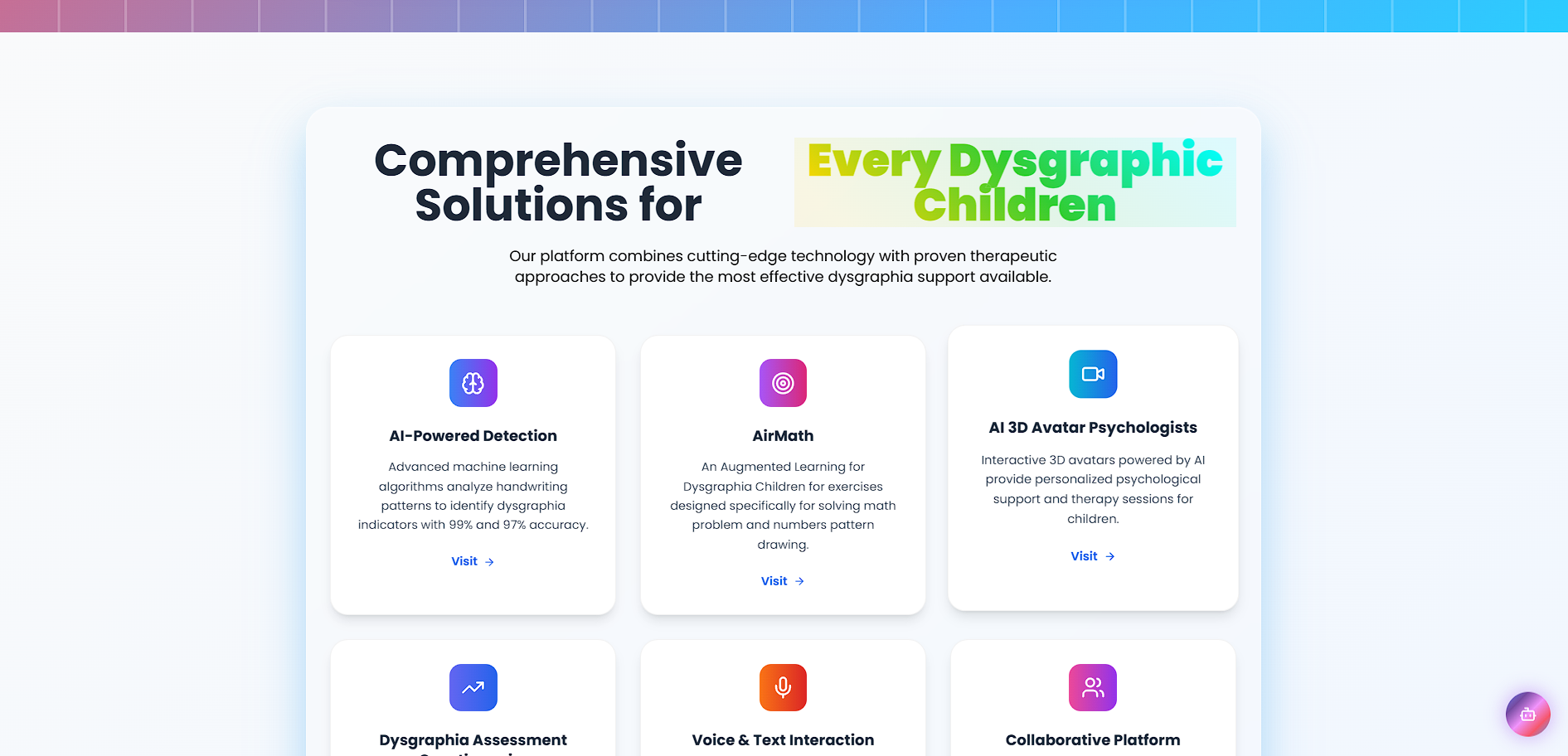
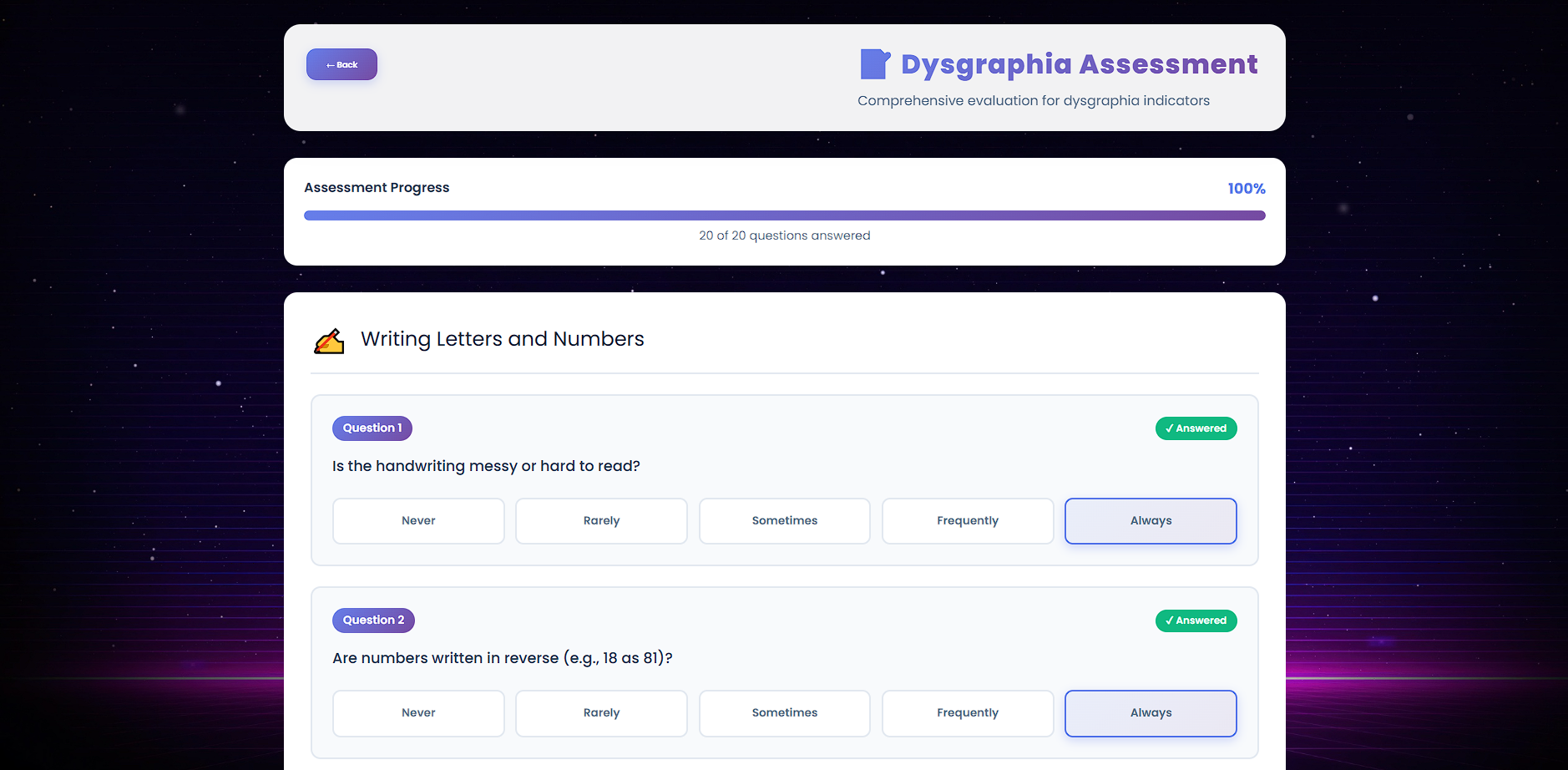
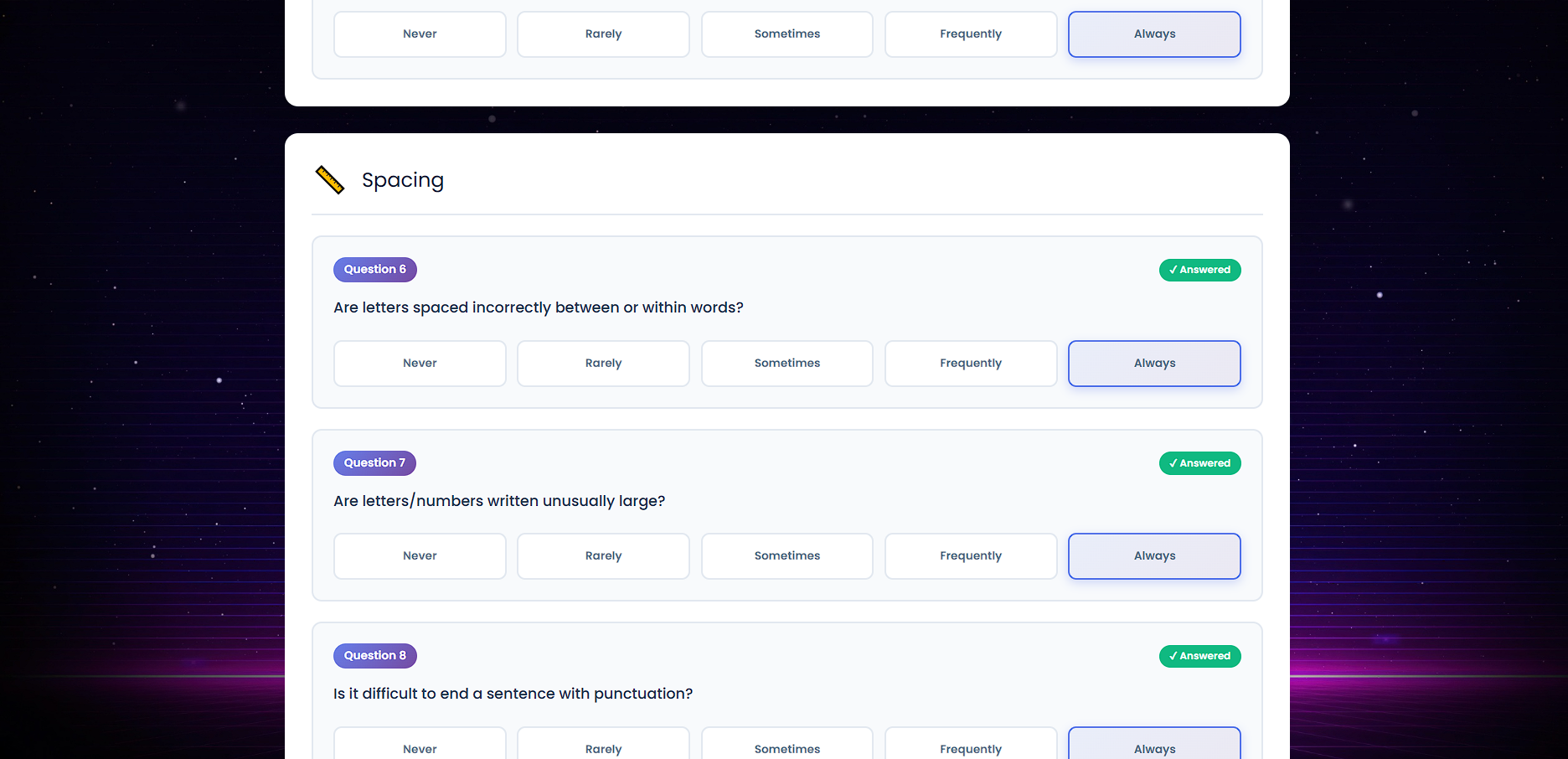
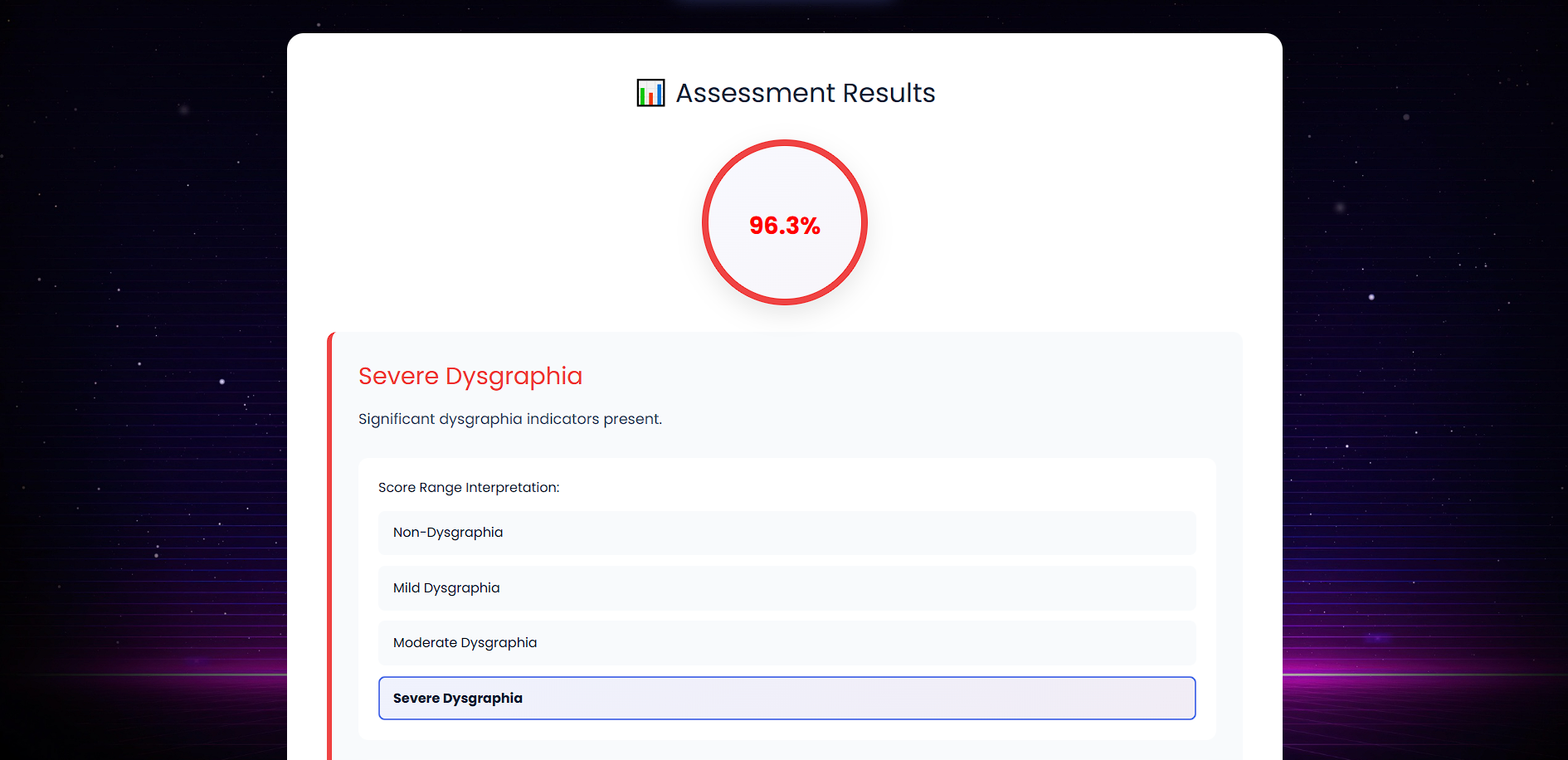
Deep learning models to detect writing patterns
ML/DL Comparison
Benchmarking traditional vs. neural approaches
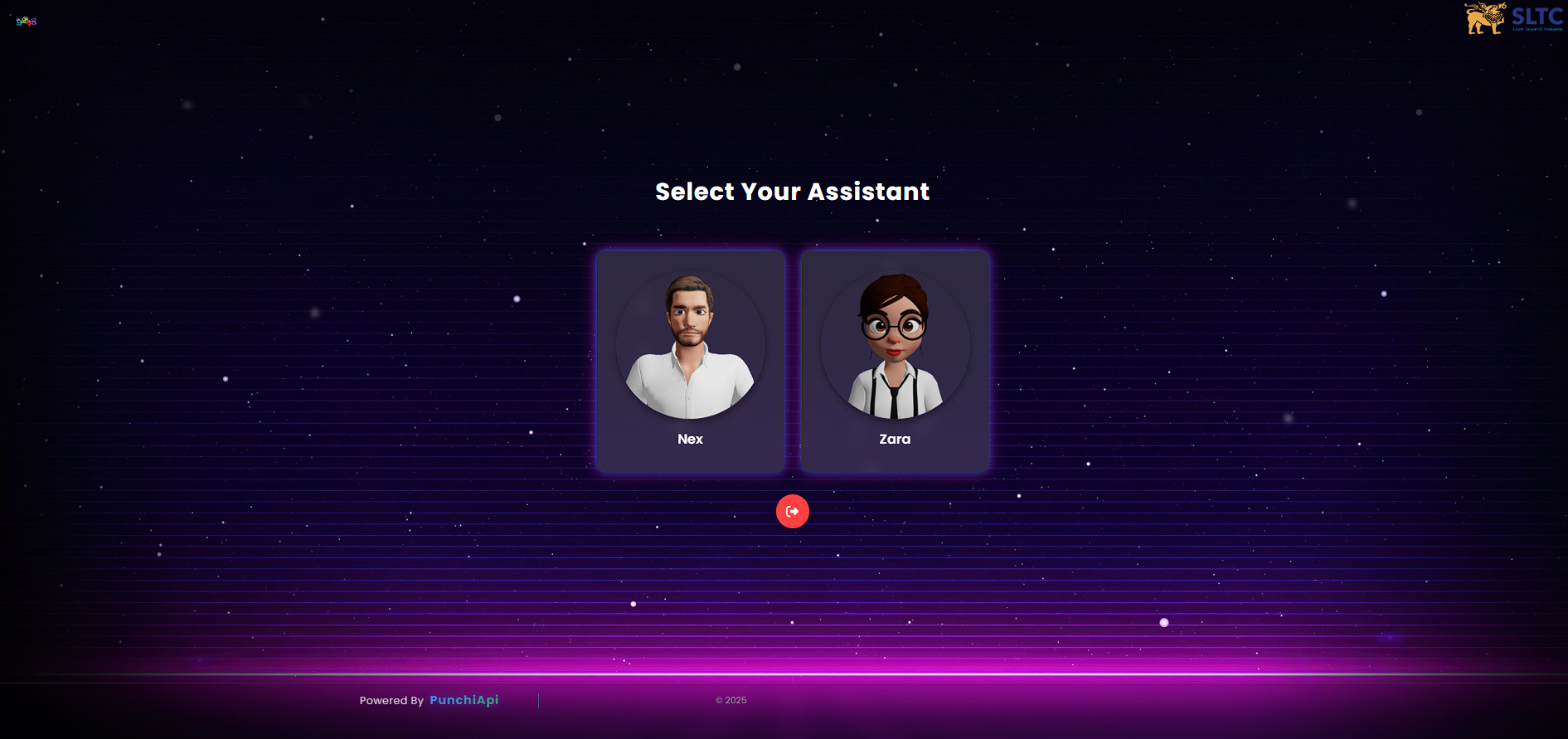
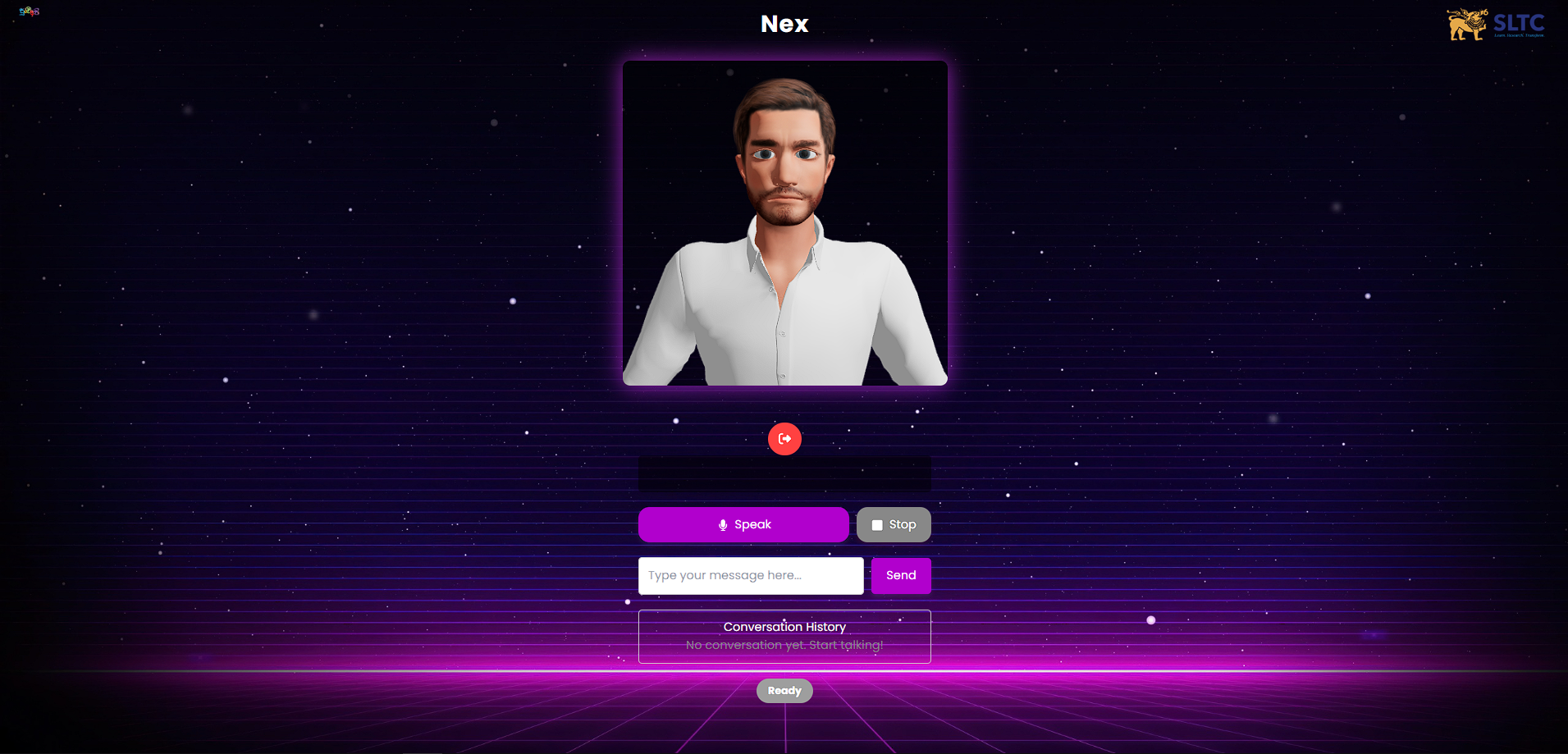
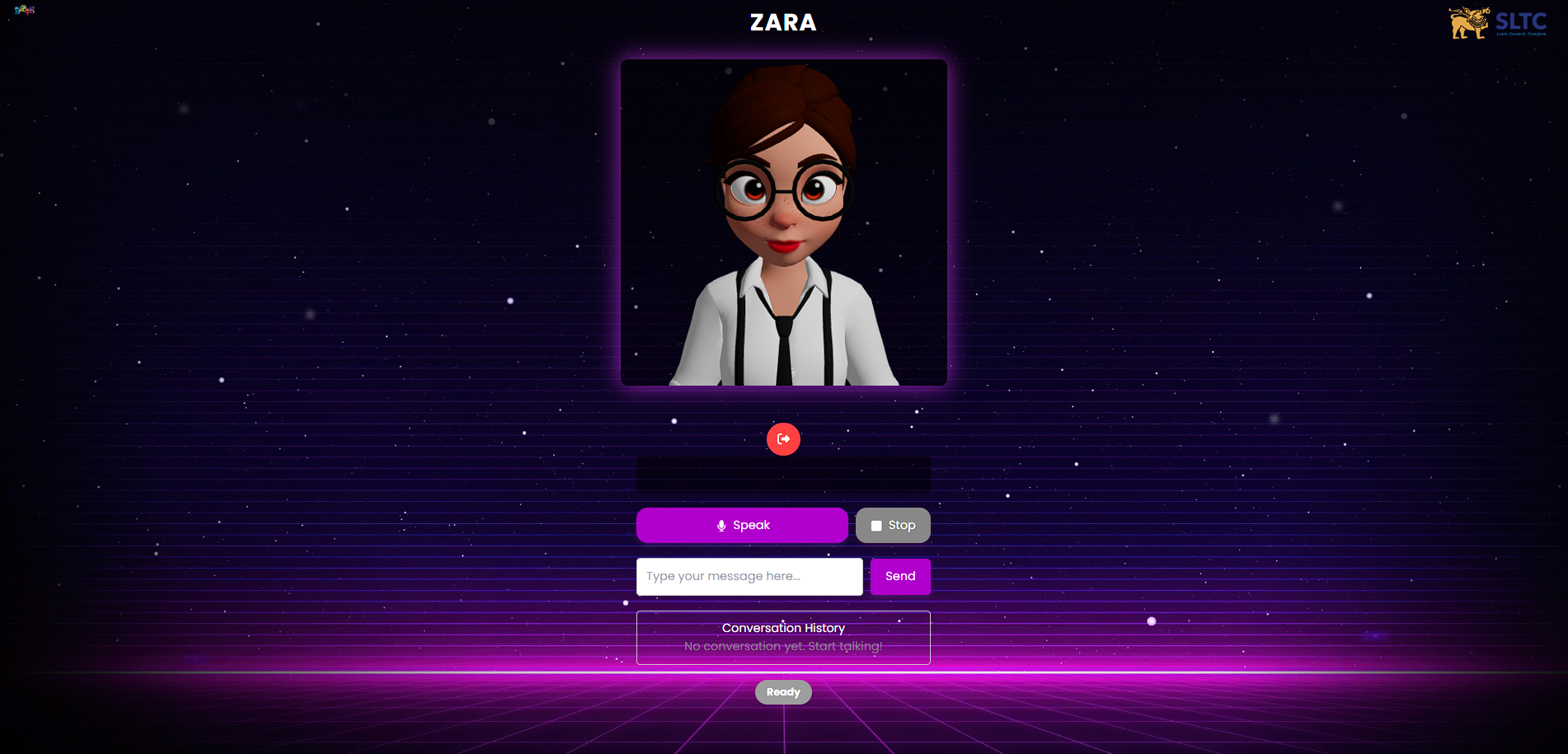
AI Chatbot + 3D Avatar
Interactive guidance for parents & children
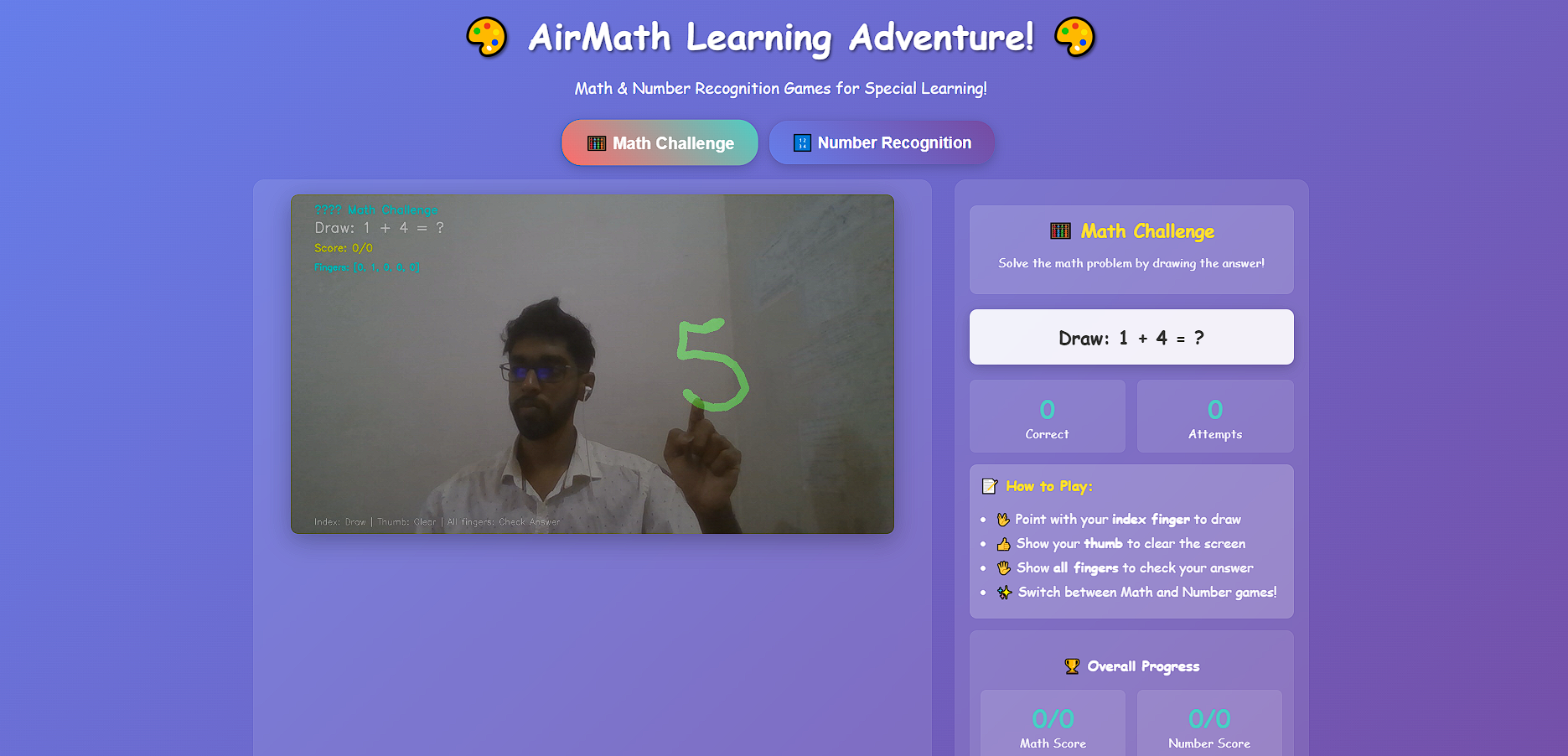
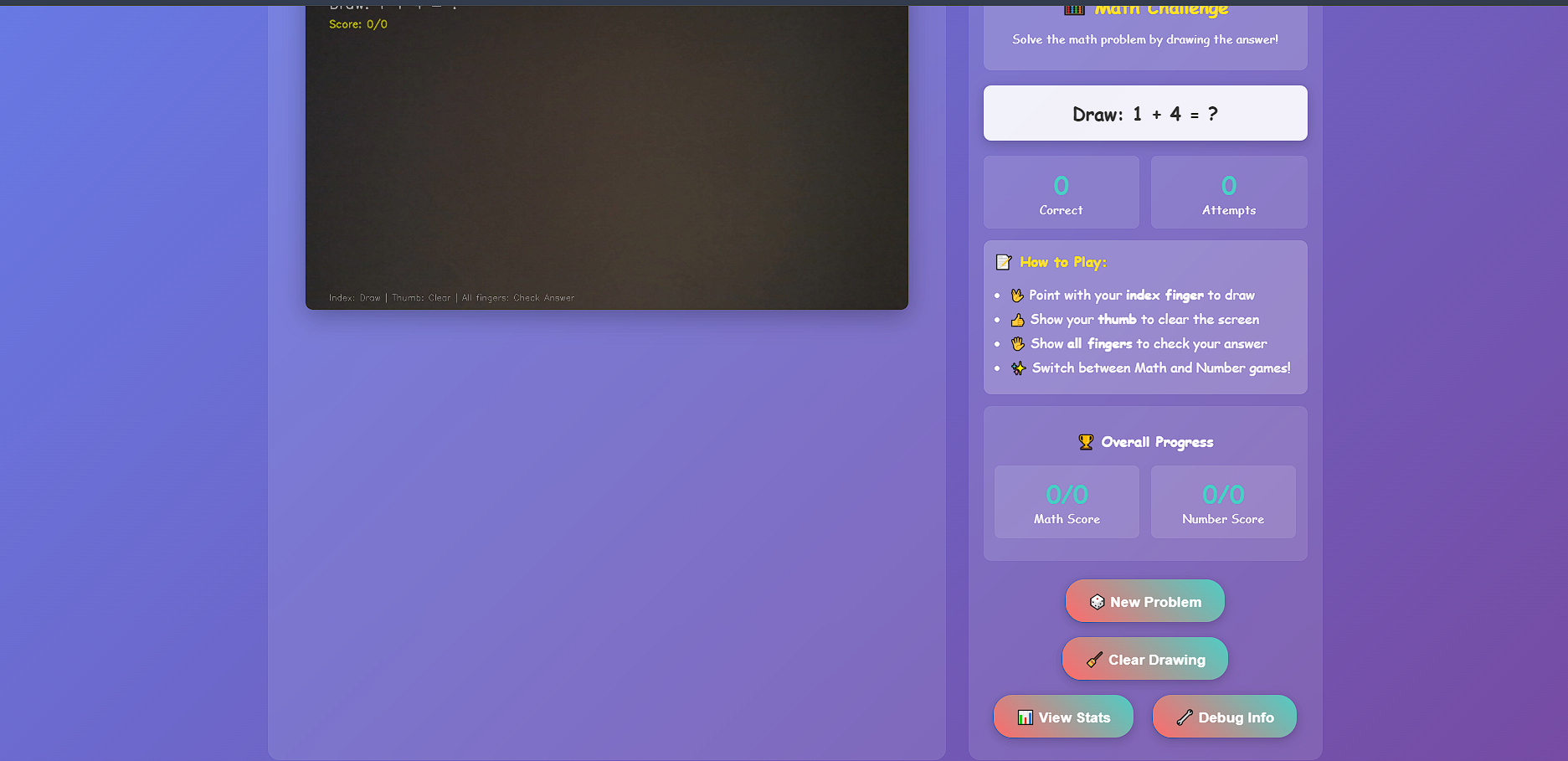
Gamified Intervention
Exercises to improve fine-motor & cognitive skills
Technology Stack
Python
Core development language
Deep Learning & Machine Learning
TensorFlow, PyTorch, CNNs
OpenCV
Image processing pipeline
Flask / Django
API & web framework
Azure AI
Cloud AI services
3D Visualization
Avatar & interaction
GPT Models
Conversational AI
Research Artifacts

IESL 2025
Research Publication
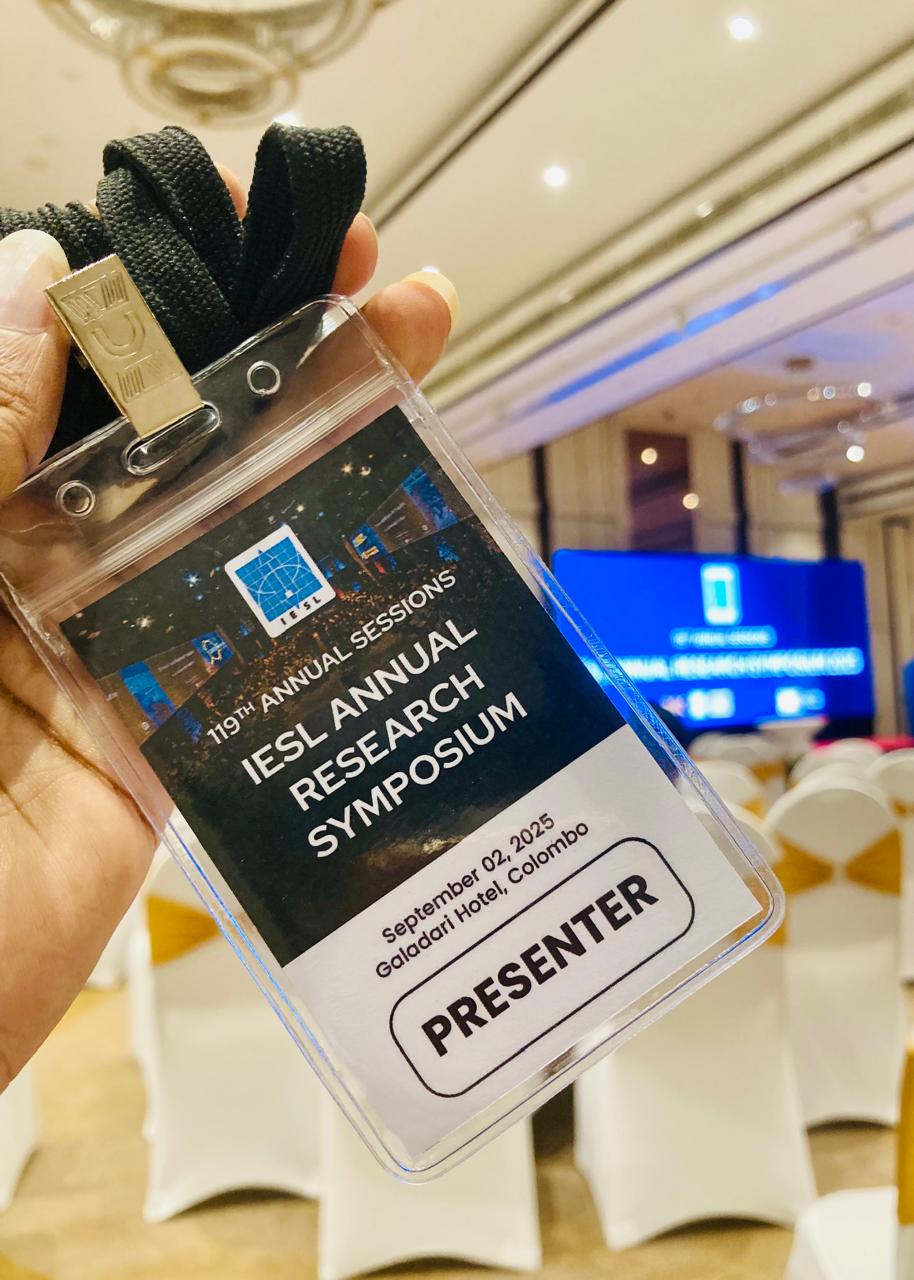
IESL Presenting Day
Research Conference
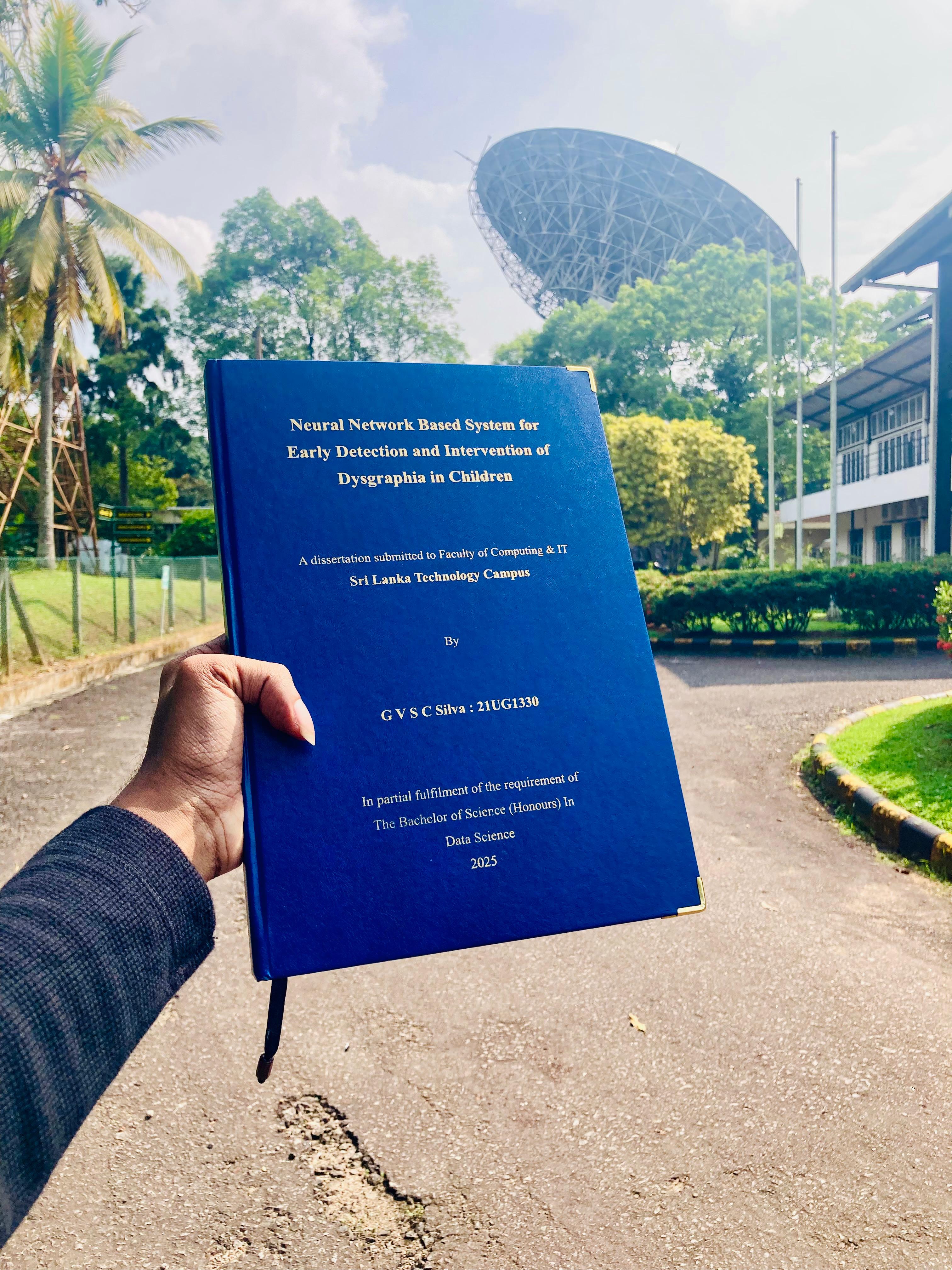
FYP Thesis
Final Year Research

System Architecture
Full system design
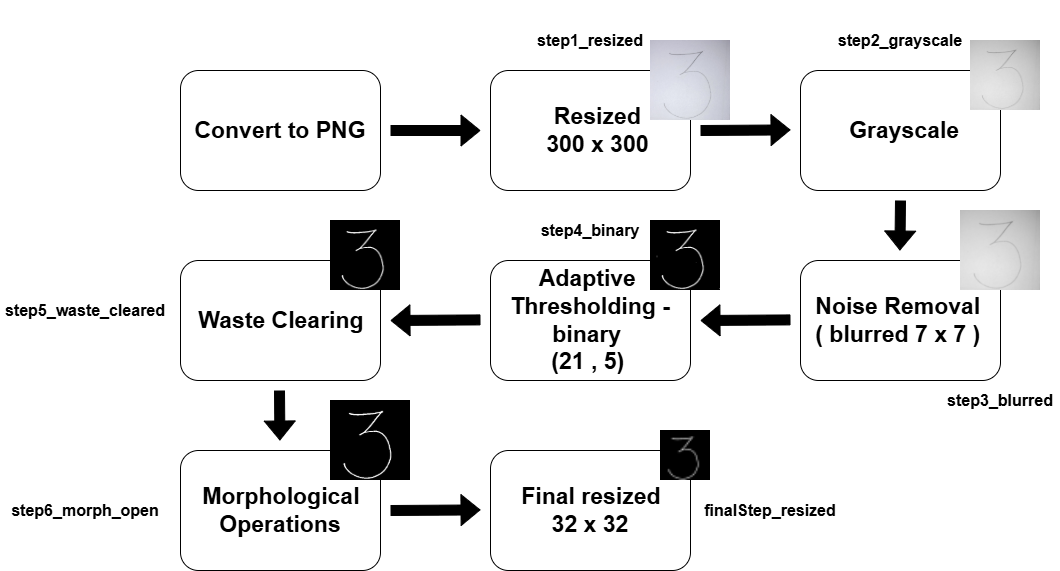
Preprocessing
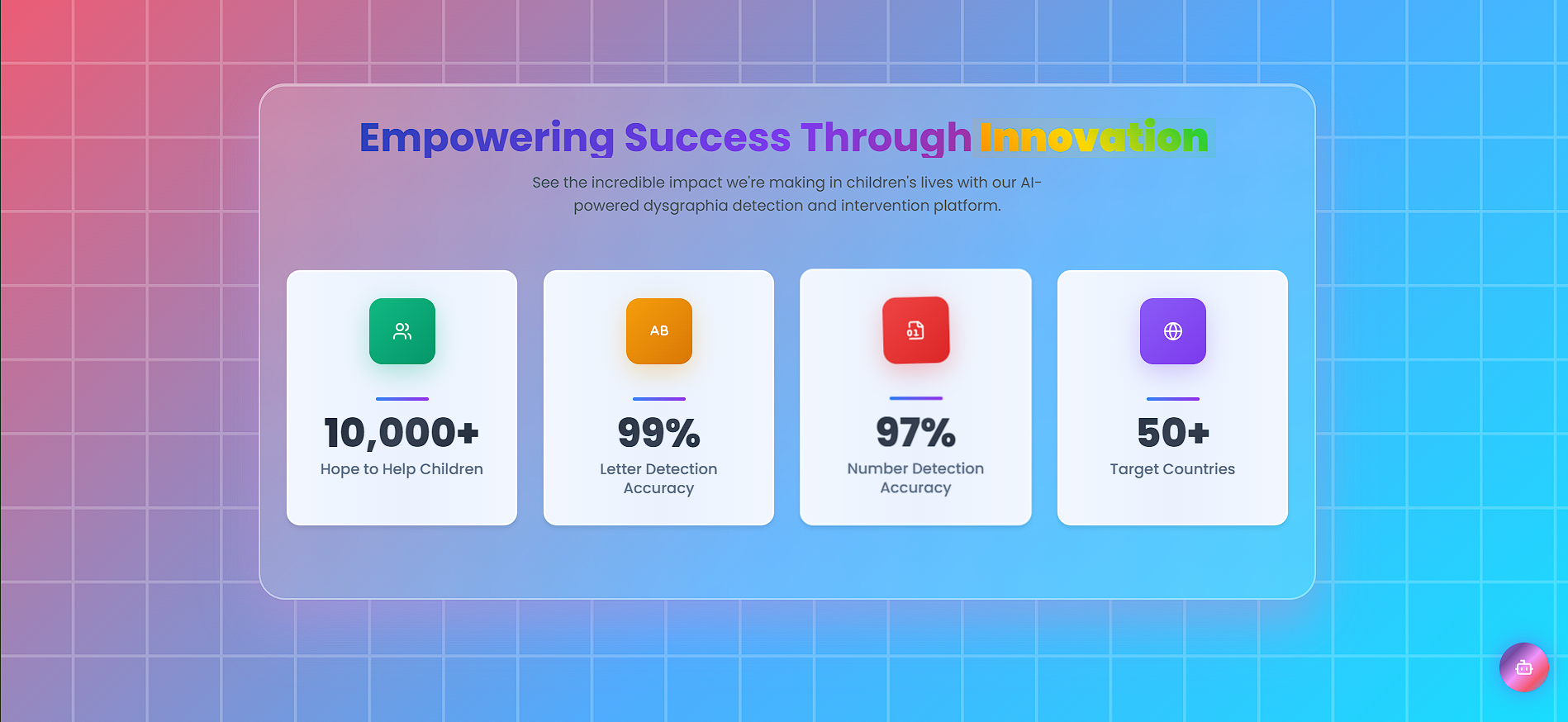
97% Noise Reduction
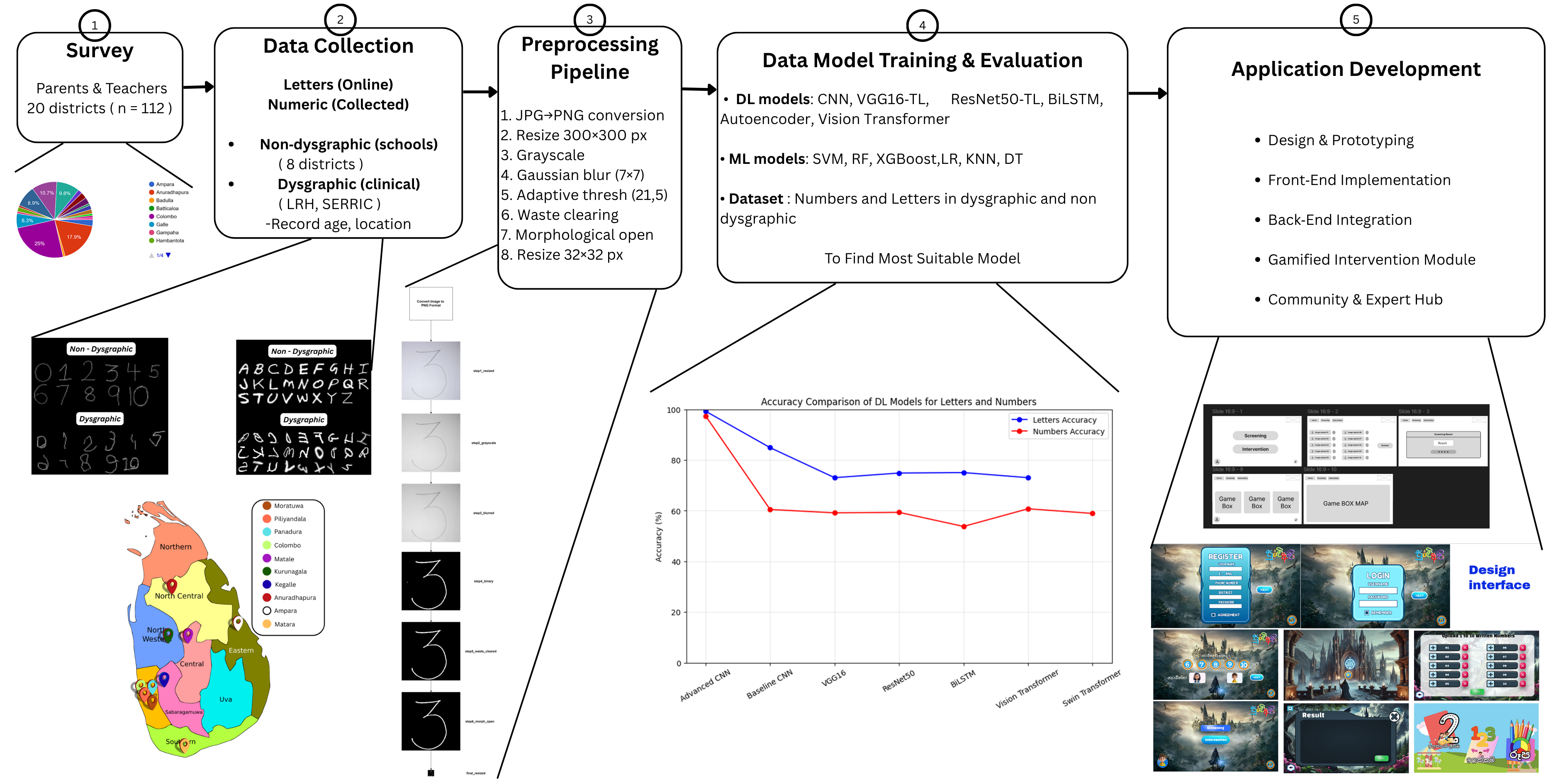
Methodology
Research approach
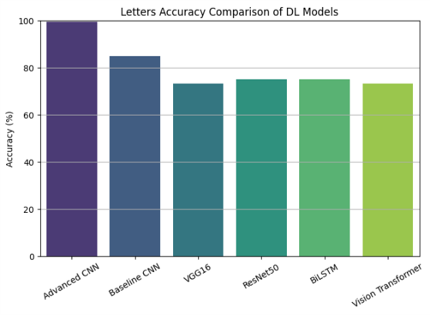
Letter Dysgraphia
Deep Learning comparison
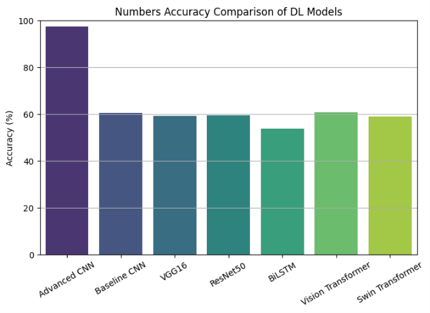
Numerical (ML)
Machine Learning comparison
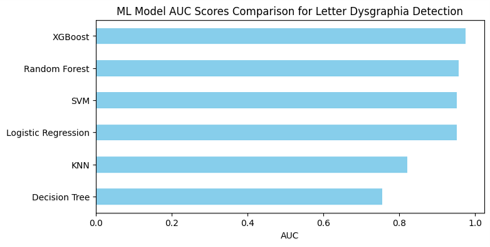
Letter (ML)
Machine Learning comparison
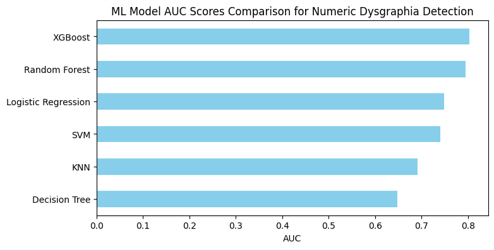
Numerical (ML)
ML comparison results
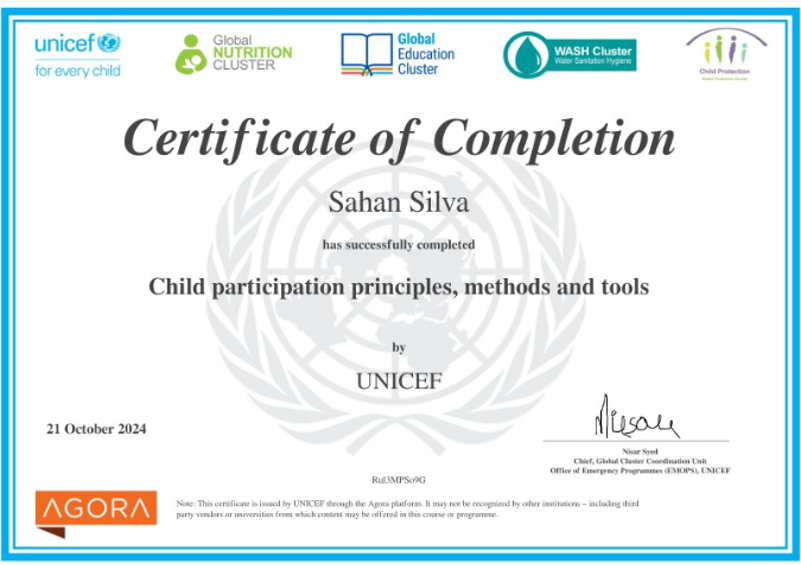
Child Participation
Principles & Ethics background

Special Education
Needs & background knowledge
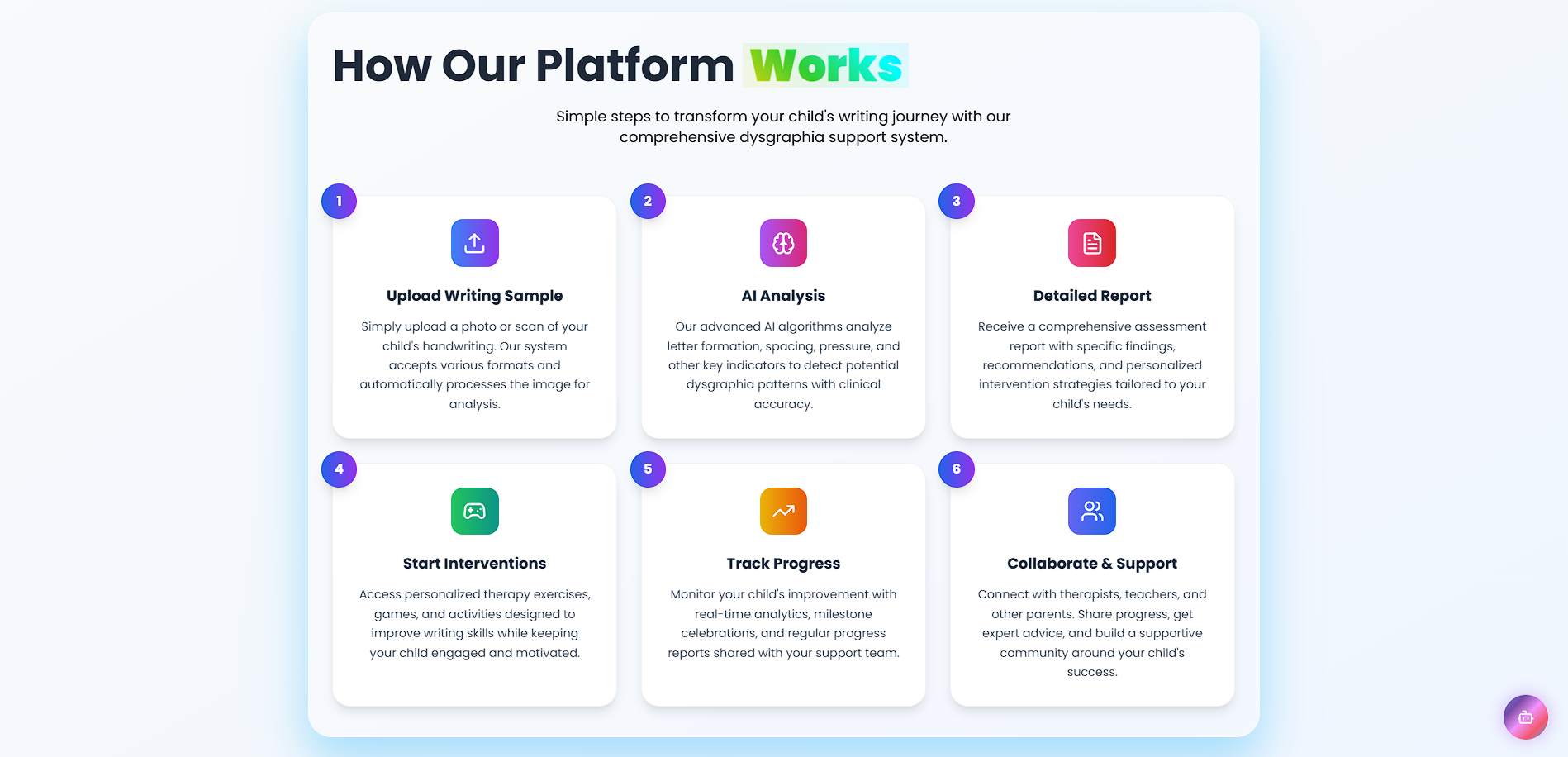
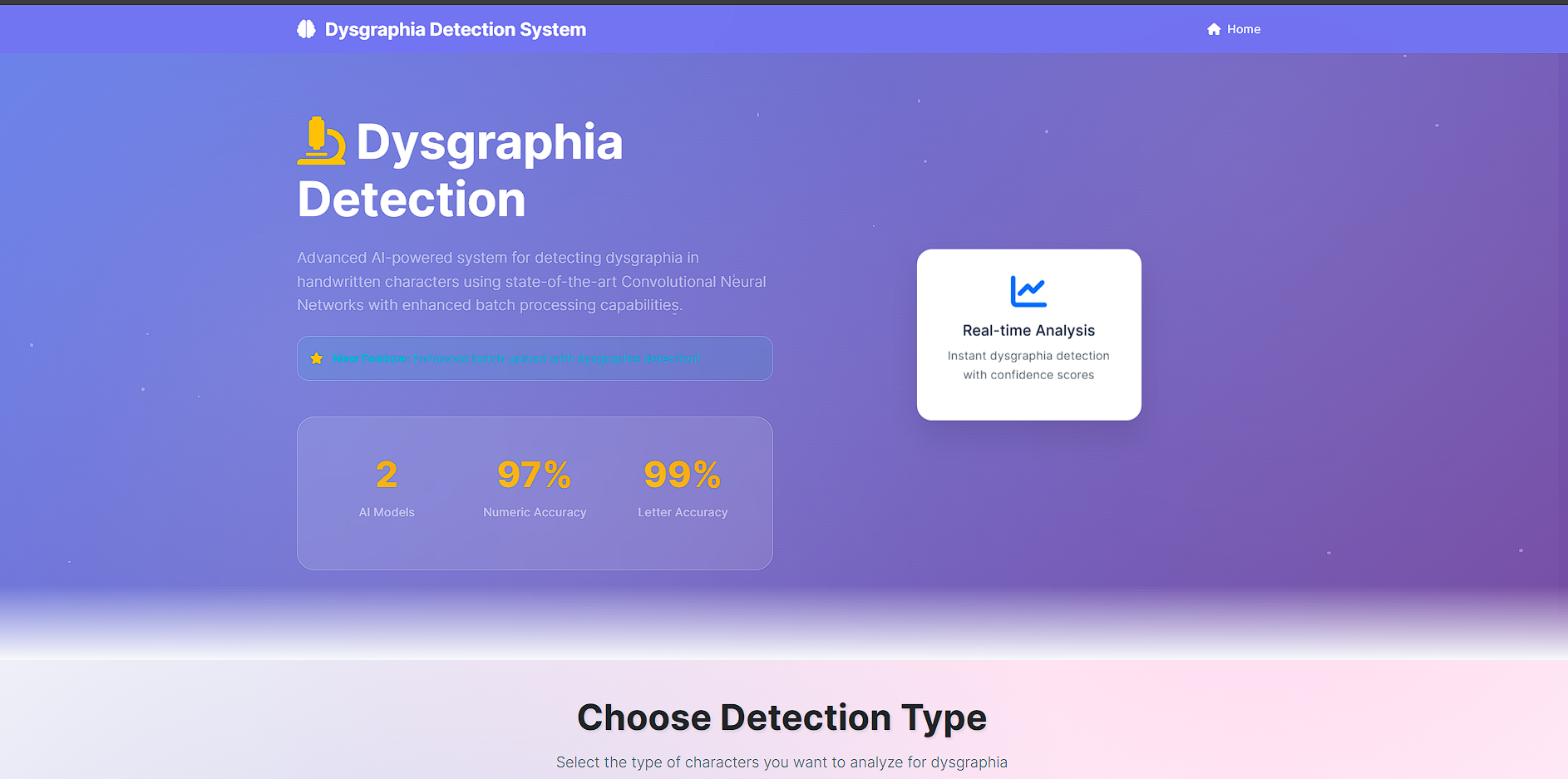
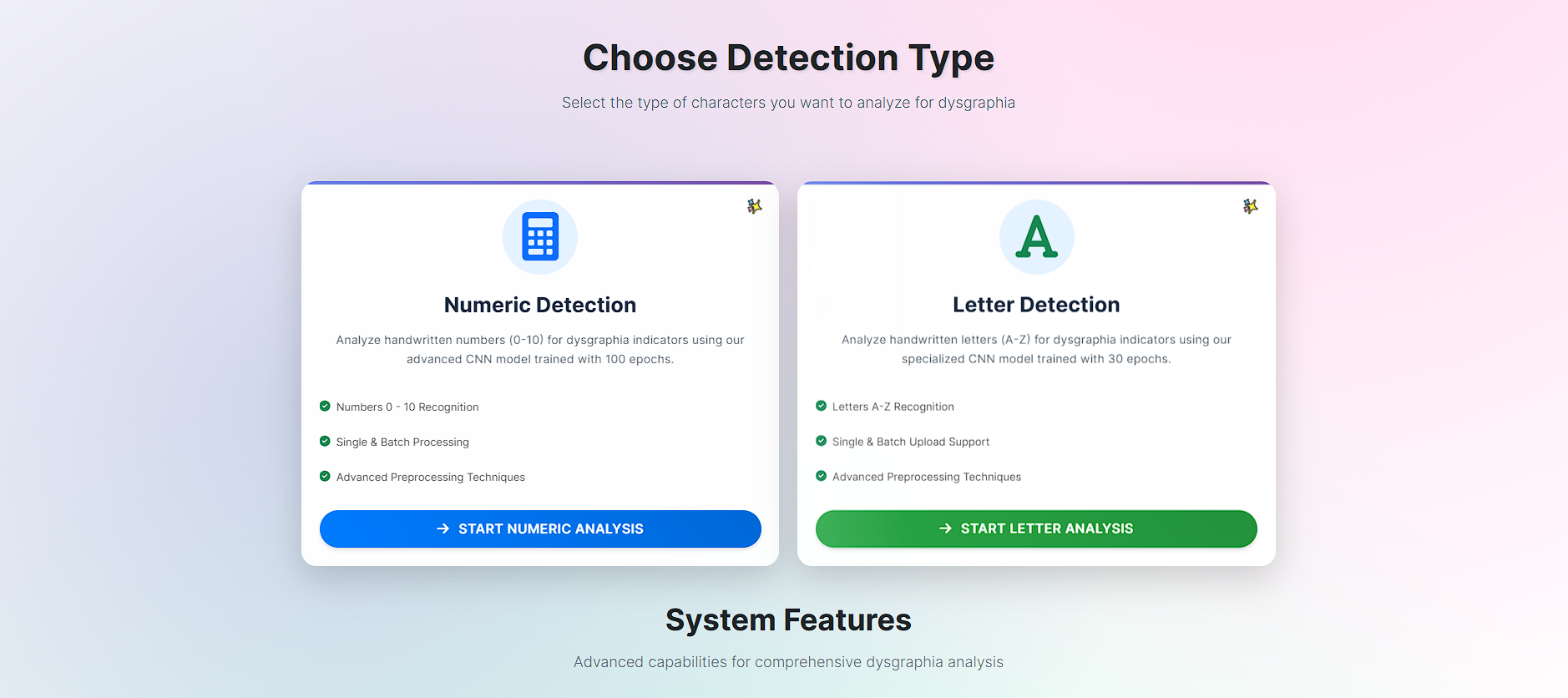
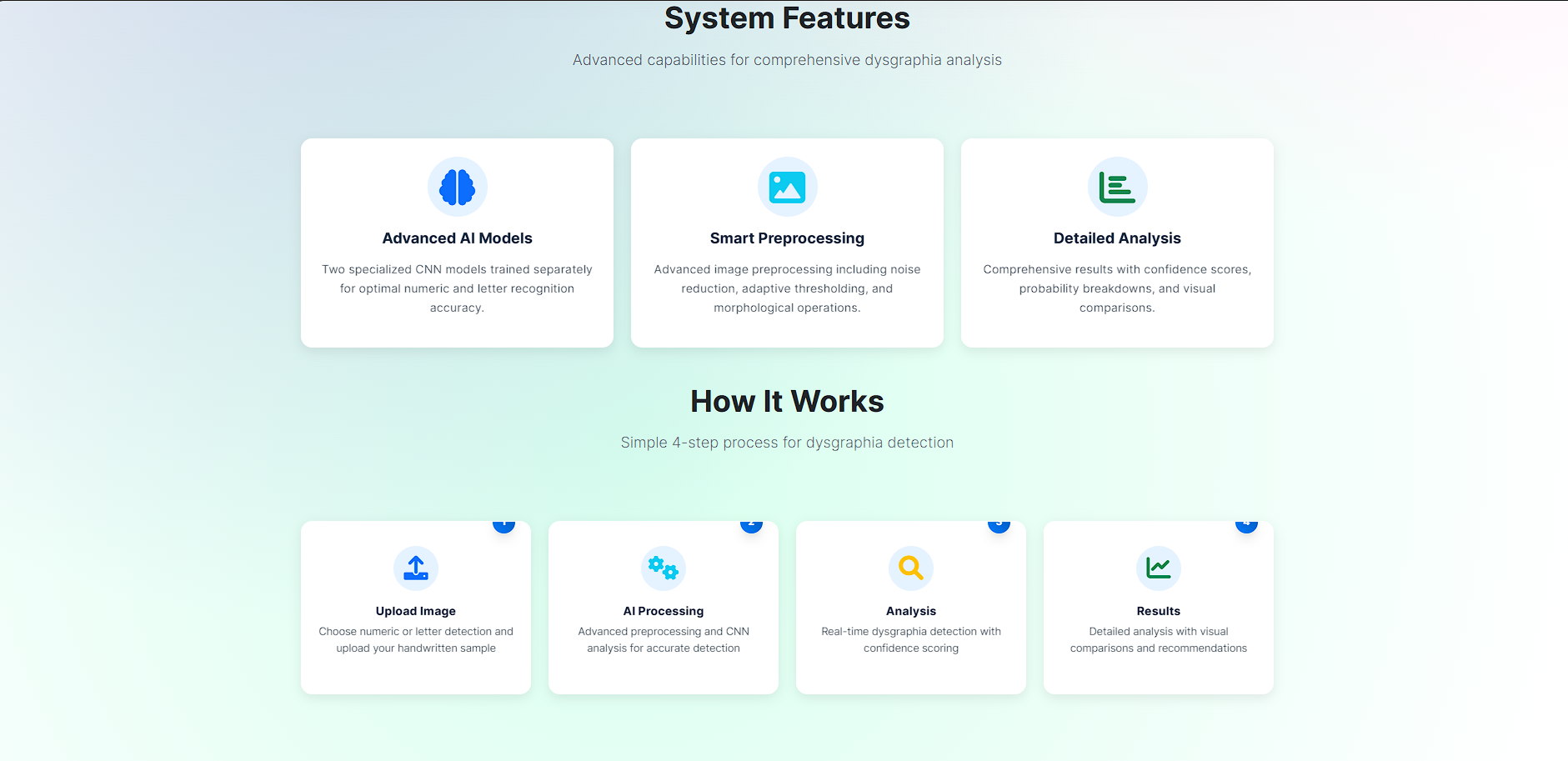
Implementation Slideshow




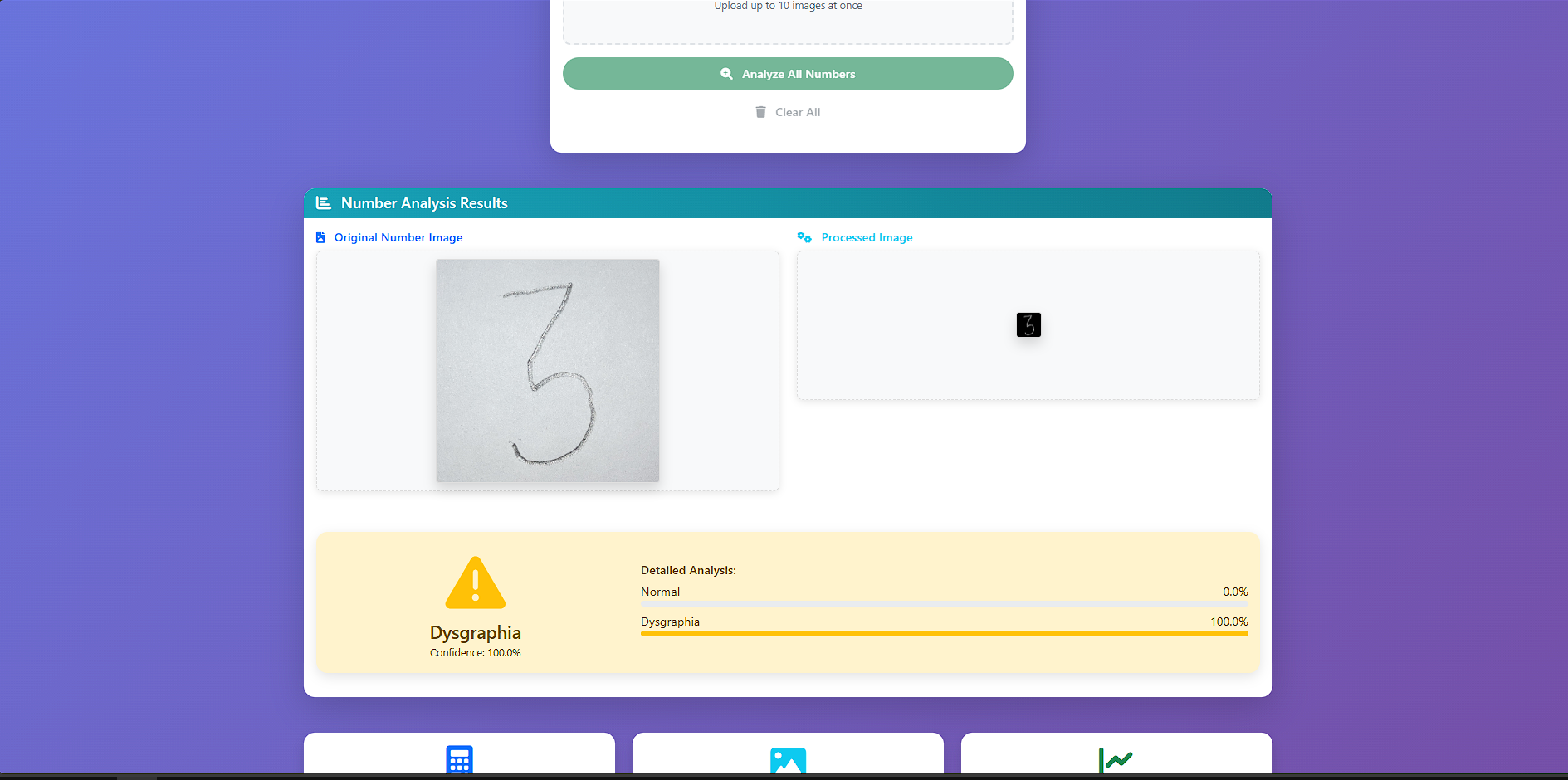


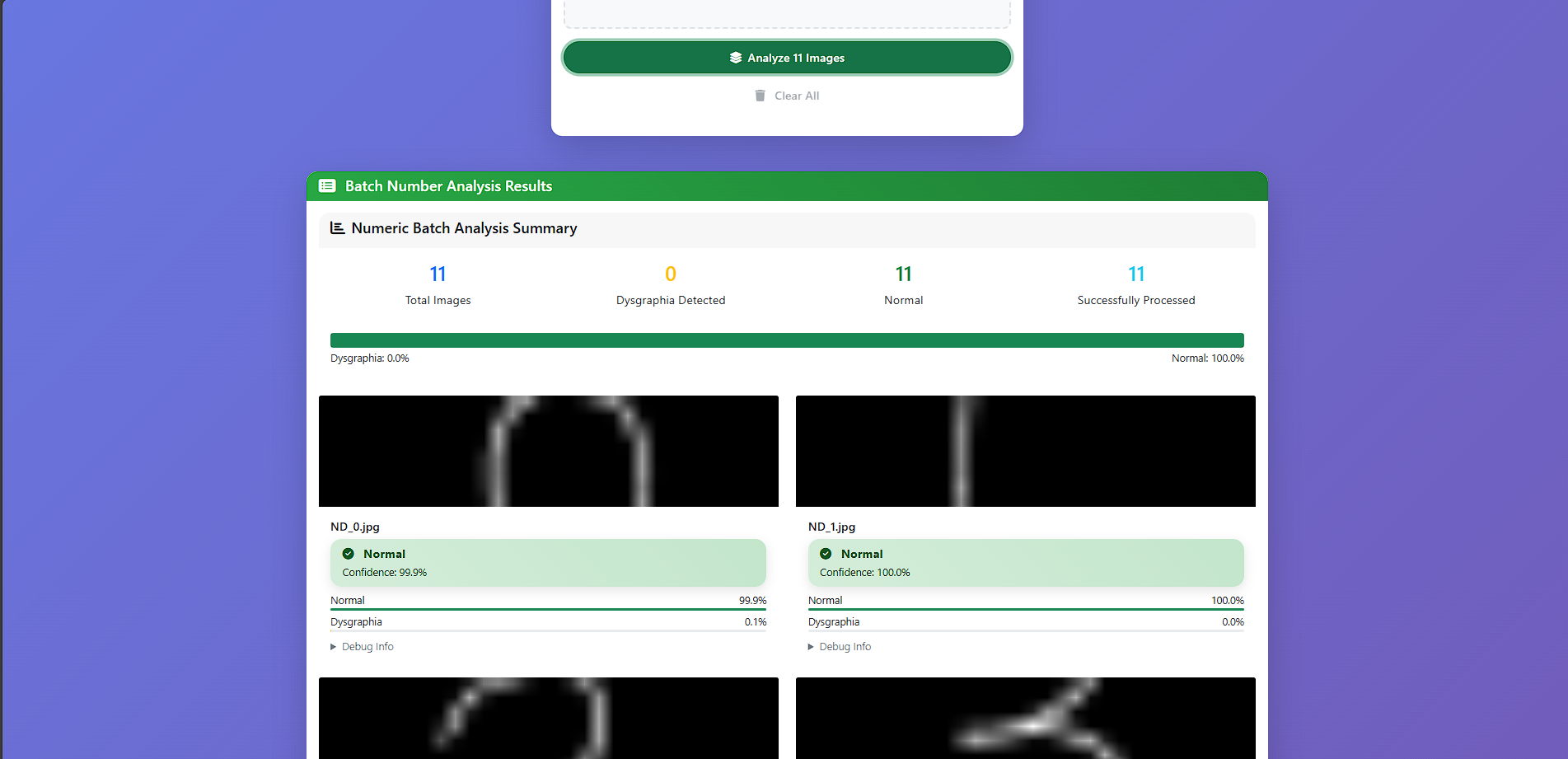
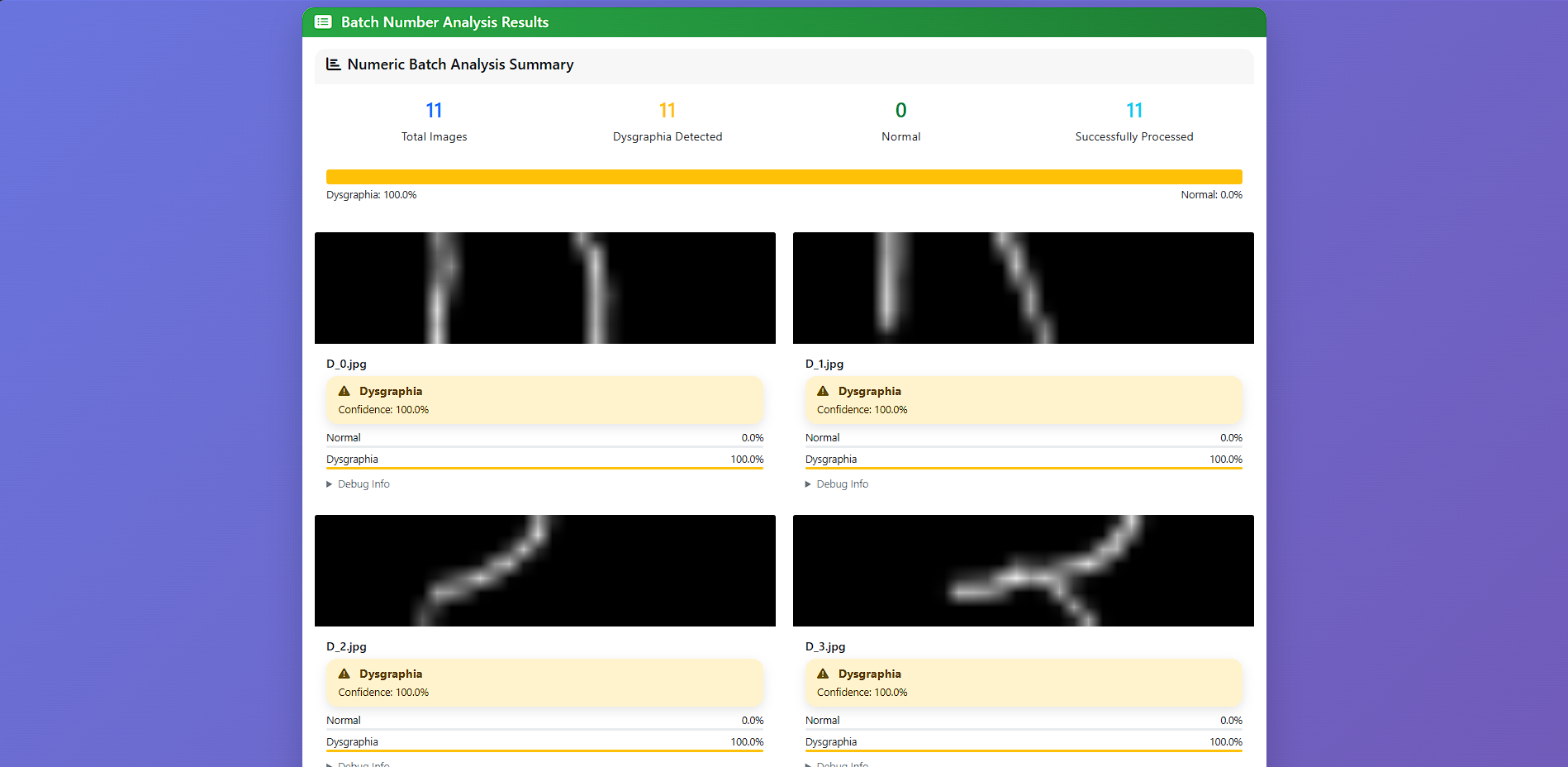
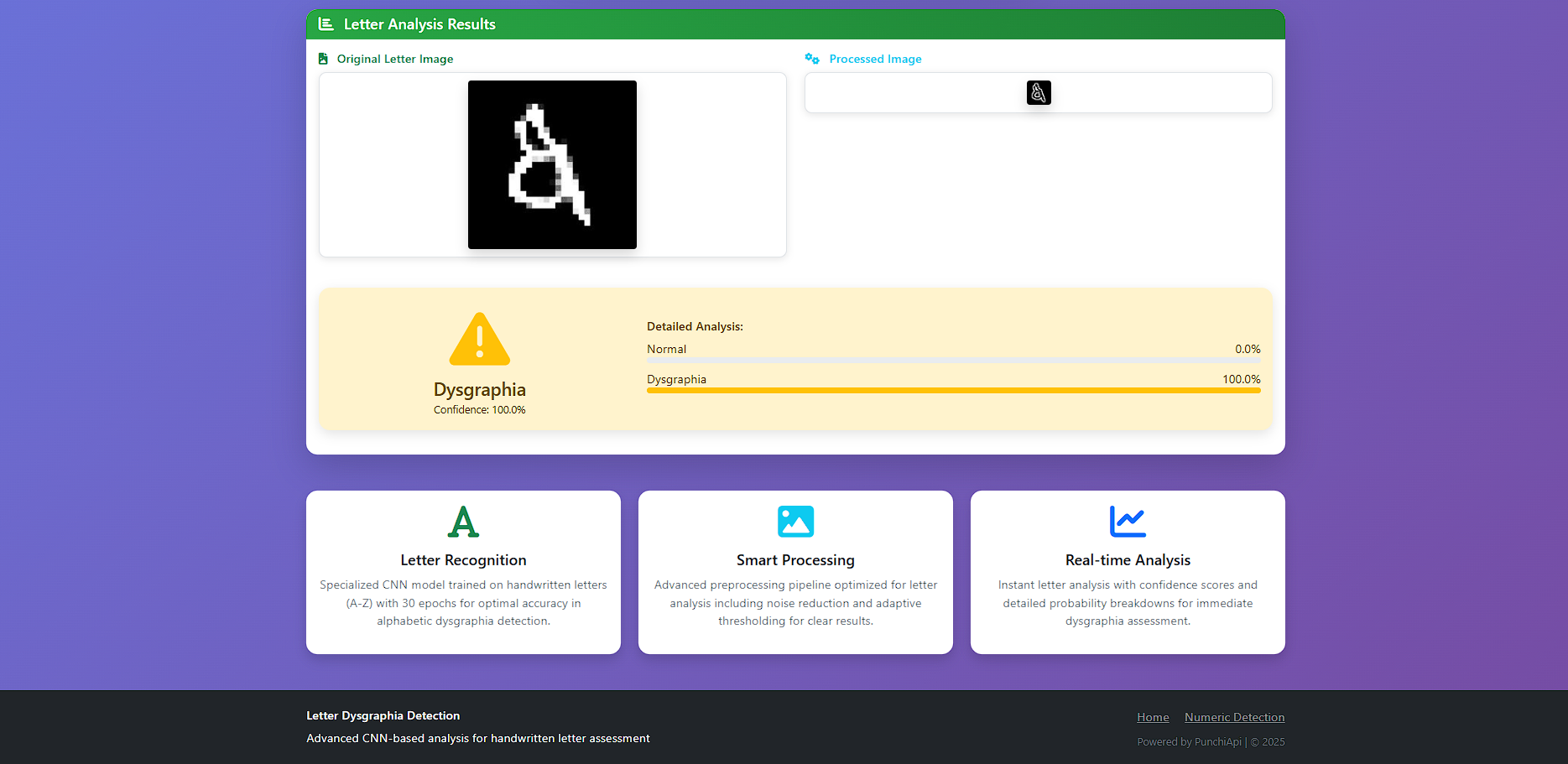






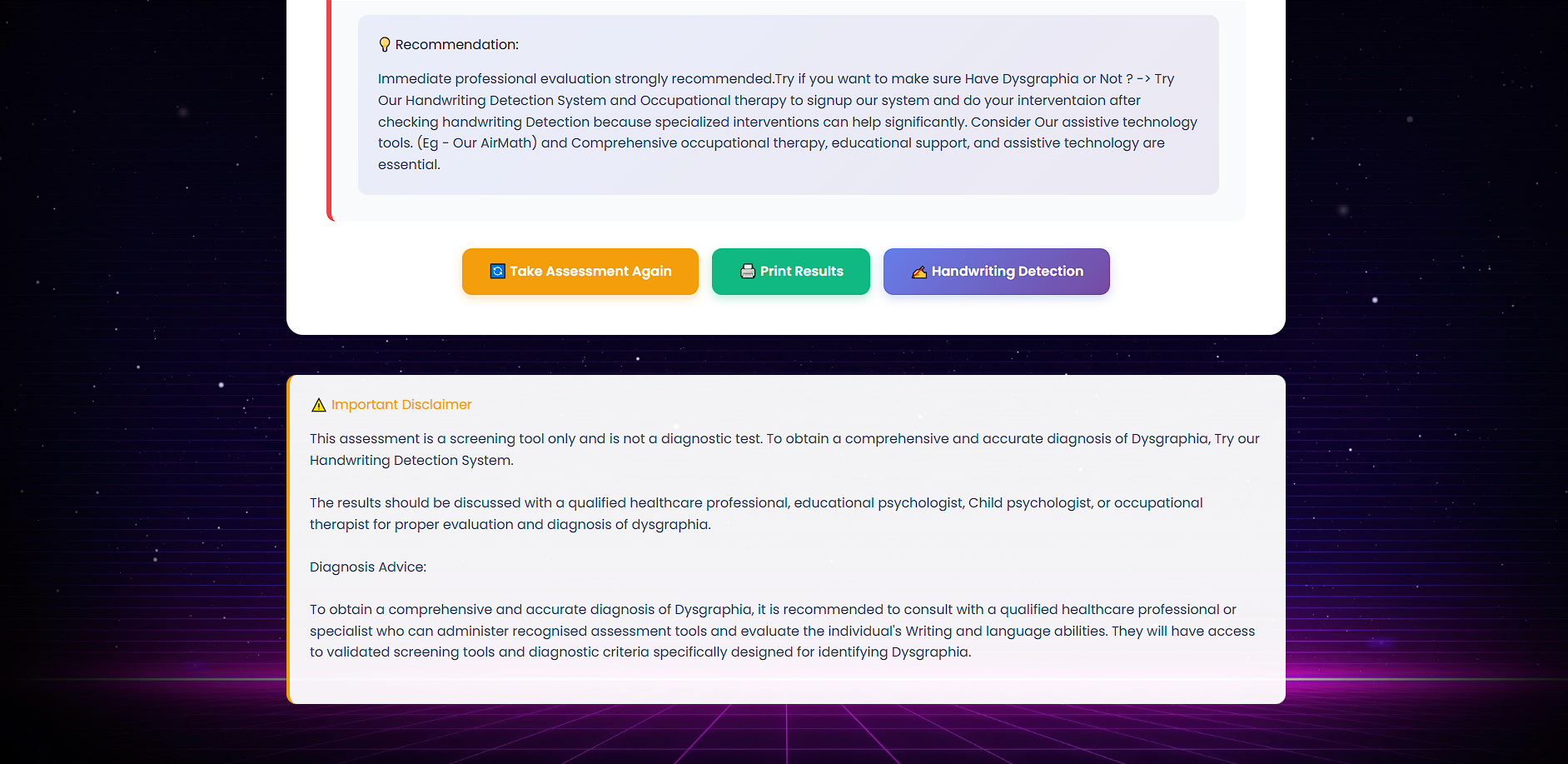

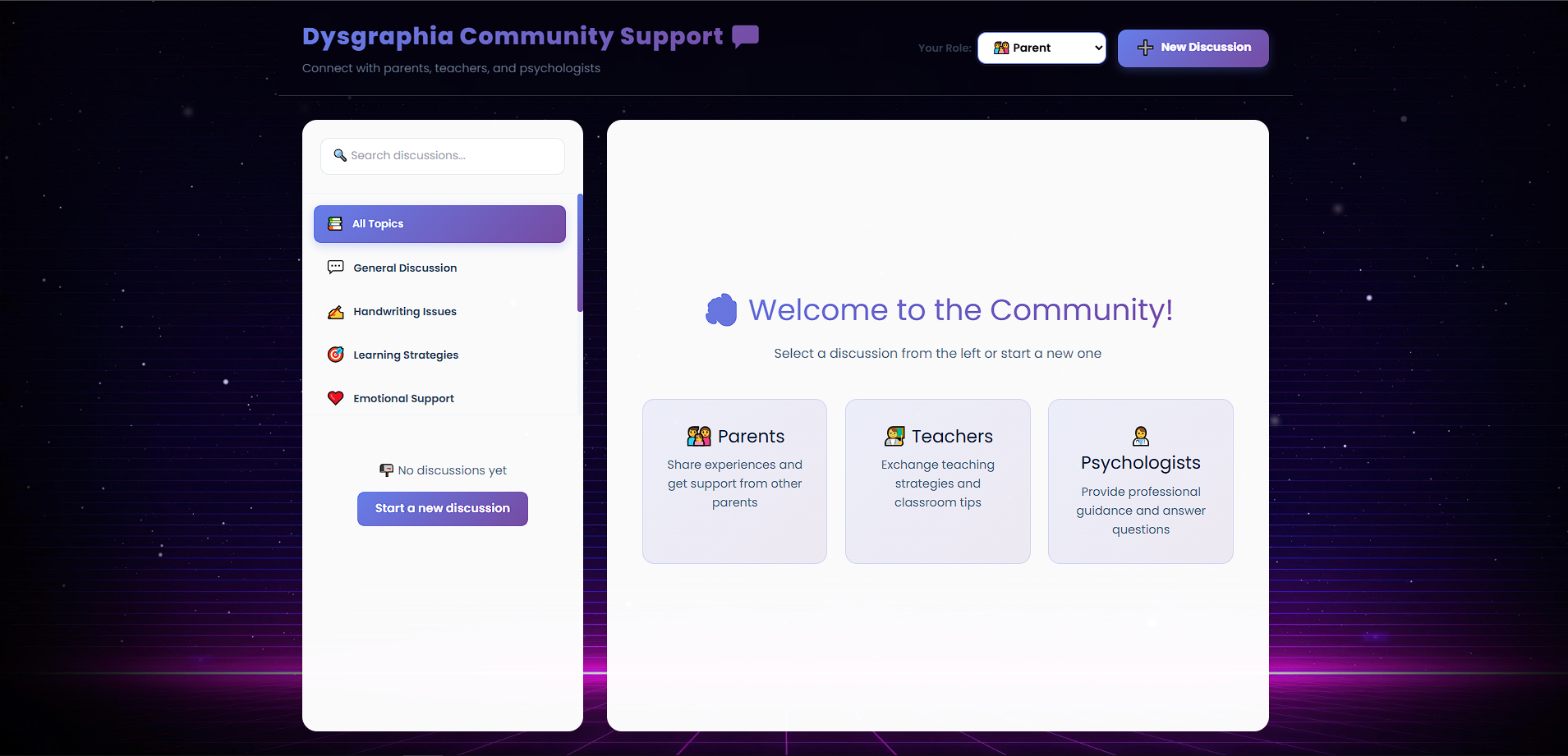

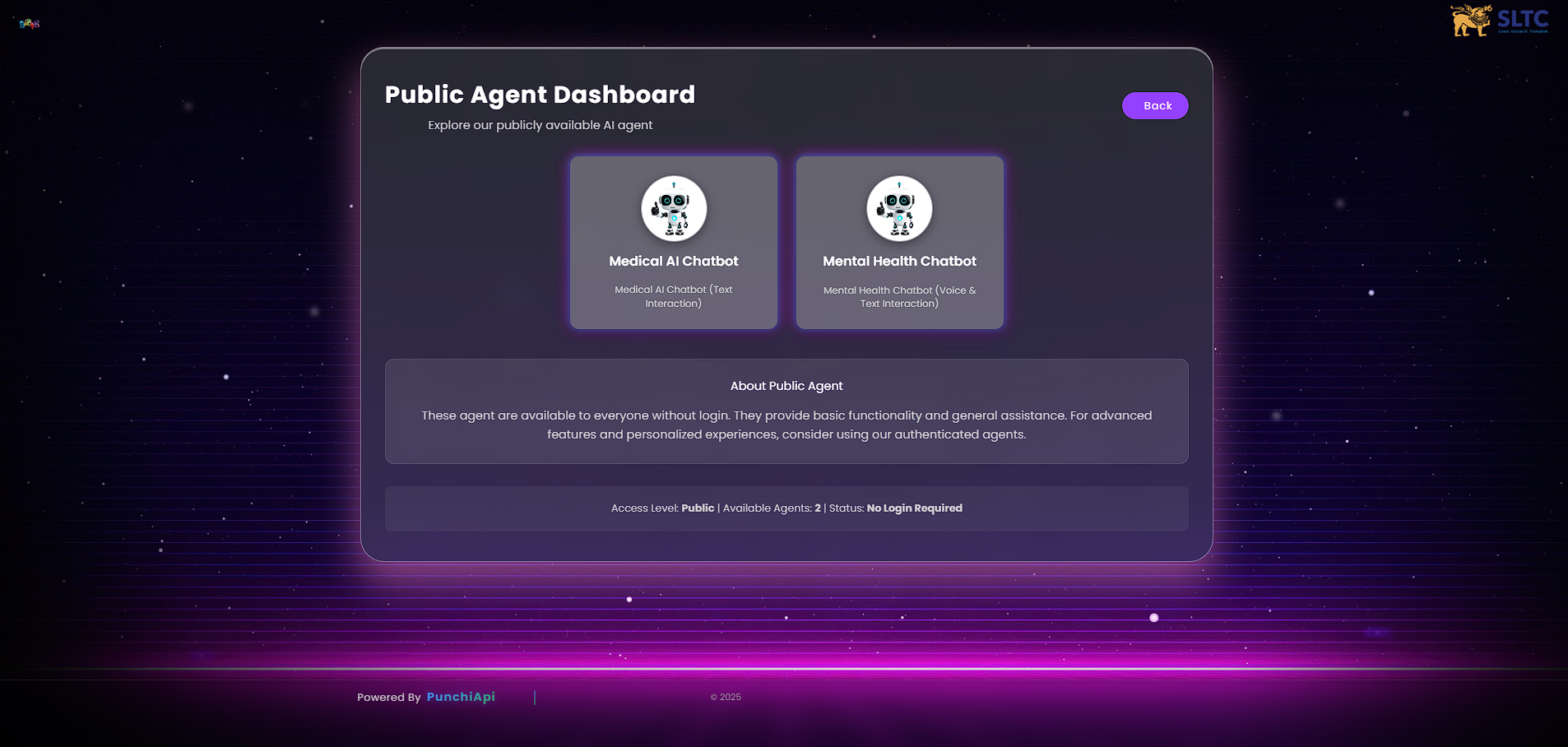
/1.jpg)
/2.jpg)
/3.jpg)
/4.jpg)
/5.jpg)
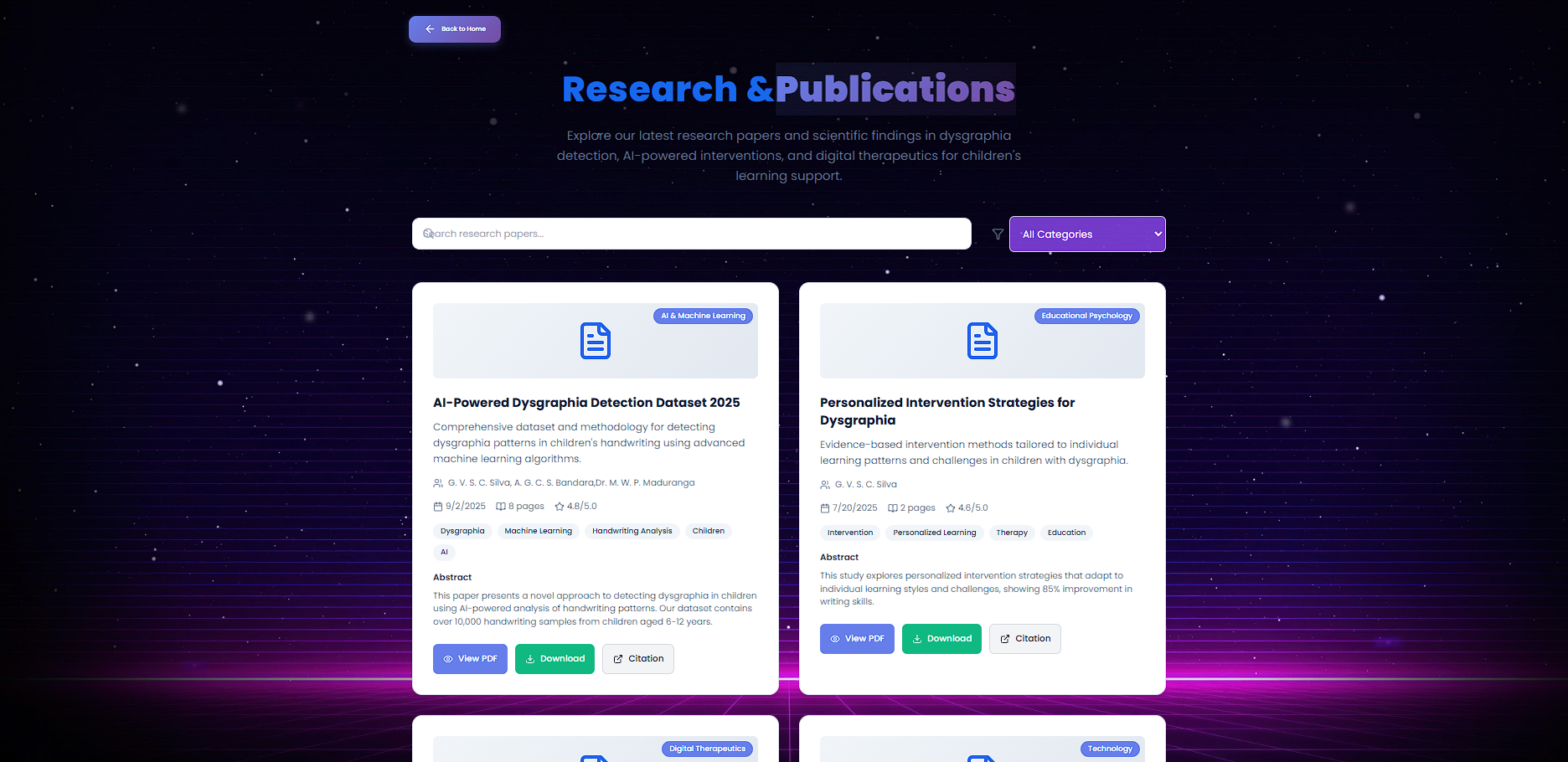
Publication & Paper
📄 Download Full Research Paper (PDF) - IESL 2025